“Sakura Tram”
On a Thursday afternoon in Tokyo, my interest in Haruki Murakami’s work prompted a visit to the Waseda International House of Literature. To my disappointment, it was closed for summer break. I wandered around the campus before exiting through the North Gate, where I stumbled upon the starting station of the Toden Arakawa Line: Waseda Station.
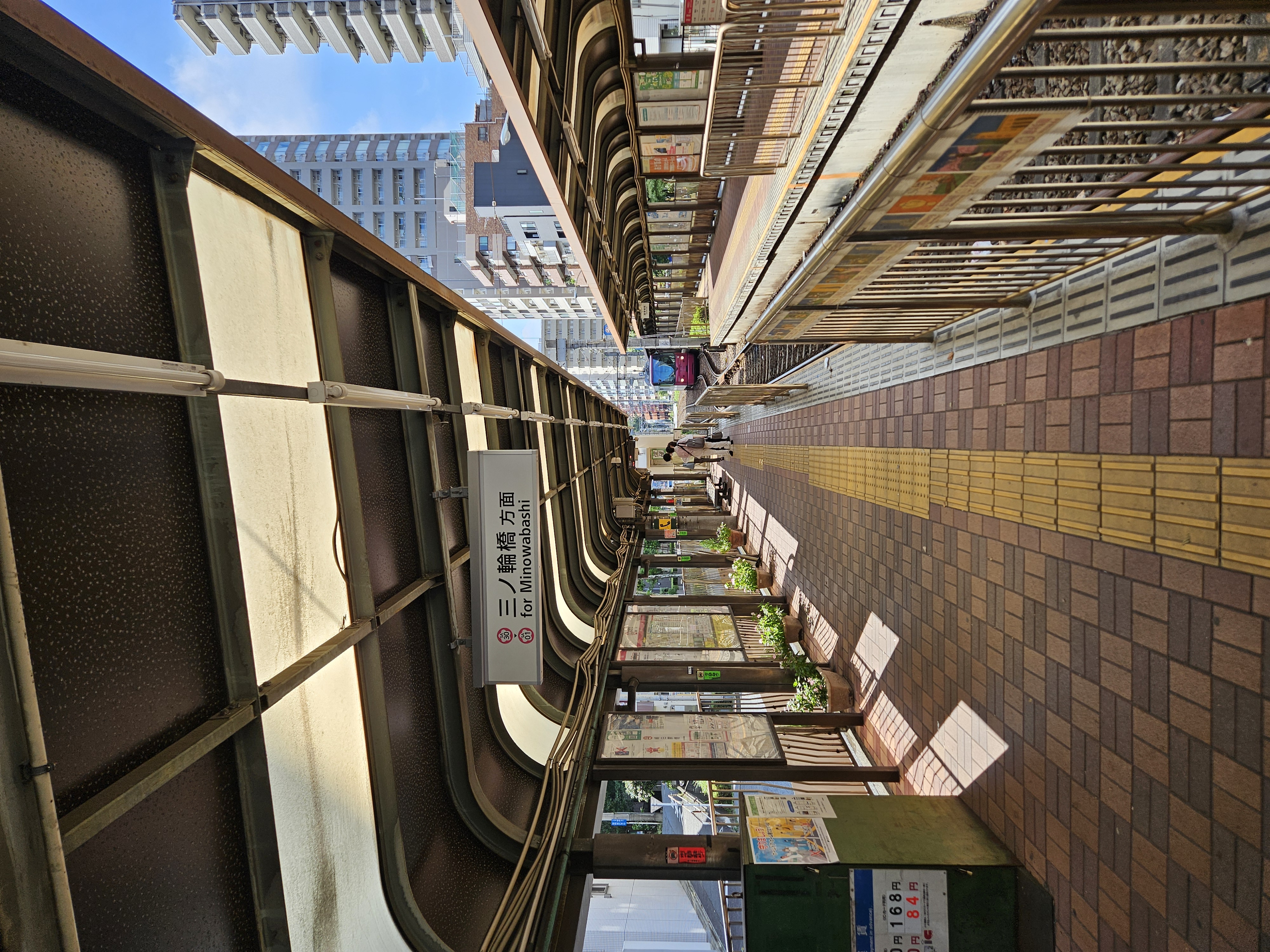
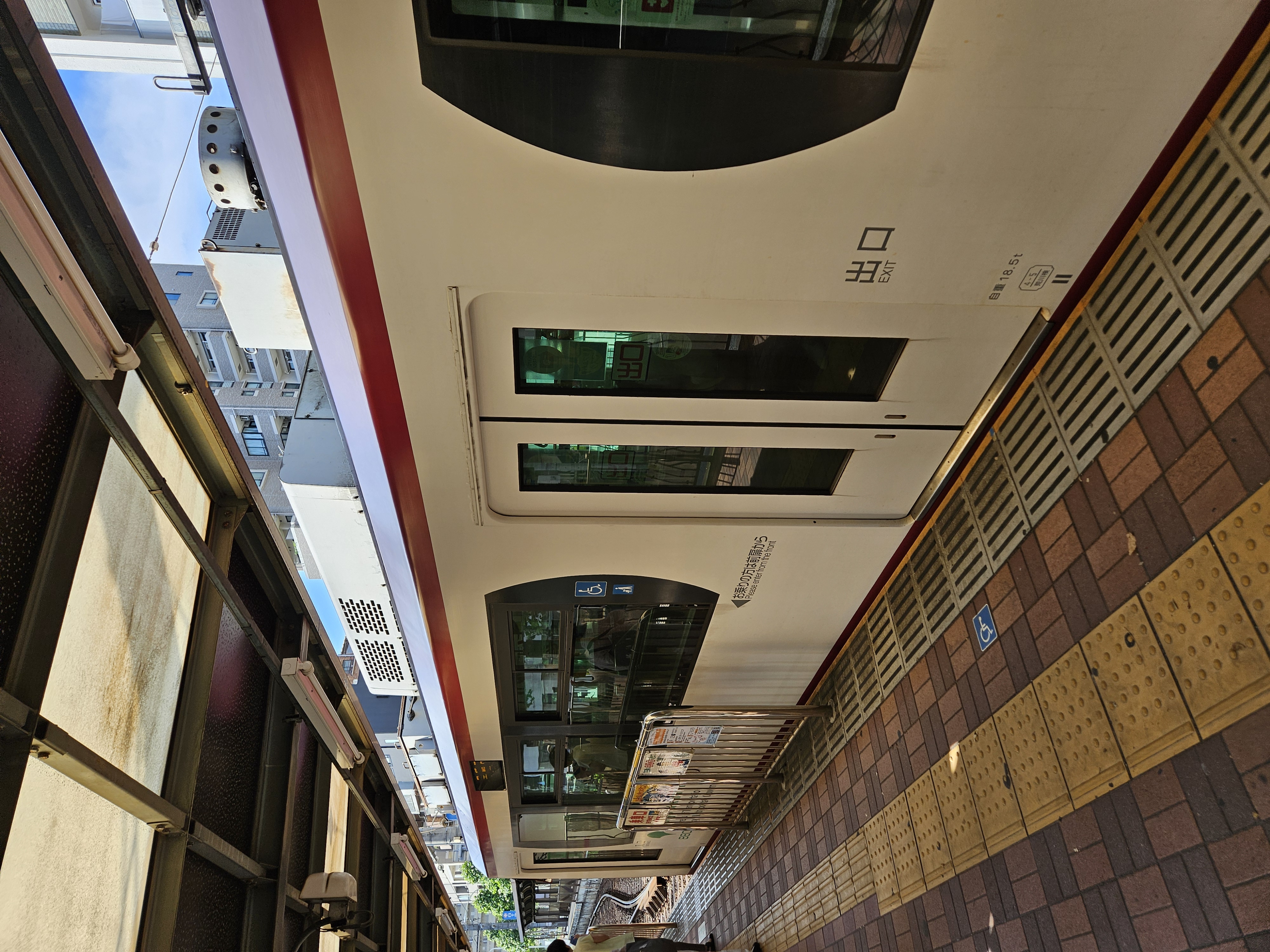
My surprise continued when the tram arrived. It was strikingly modern, with a clean, white interior that stood apart from the dark, lacquered wood I’d seen in older models. It wasn’t brand new, however; faint signs of wear on the paint along vents, handles, and doors suggested it had been in service for some time.
I eventually dozed off, waking to find the tram had yet to make it through even half of the route. Indeed, it was extremely slow; despite running on dedicated tracks, largely separated from traffic; the route, about 12 kilometers in length, took almost an hour from beginning to end.
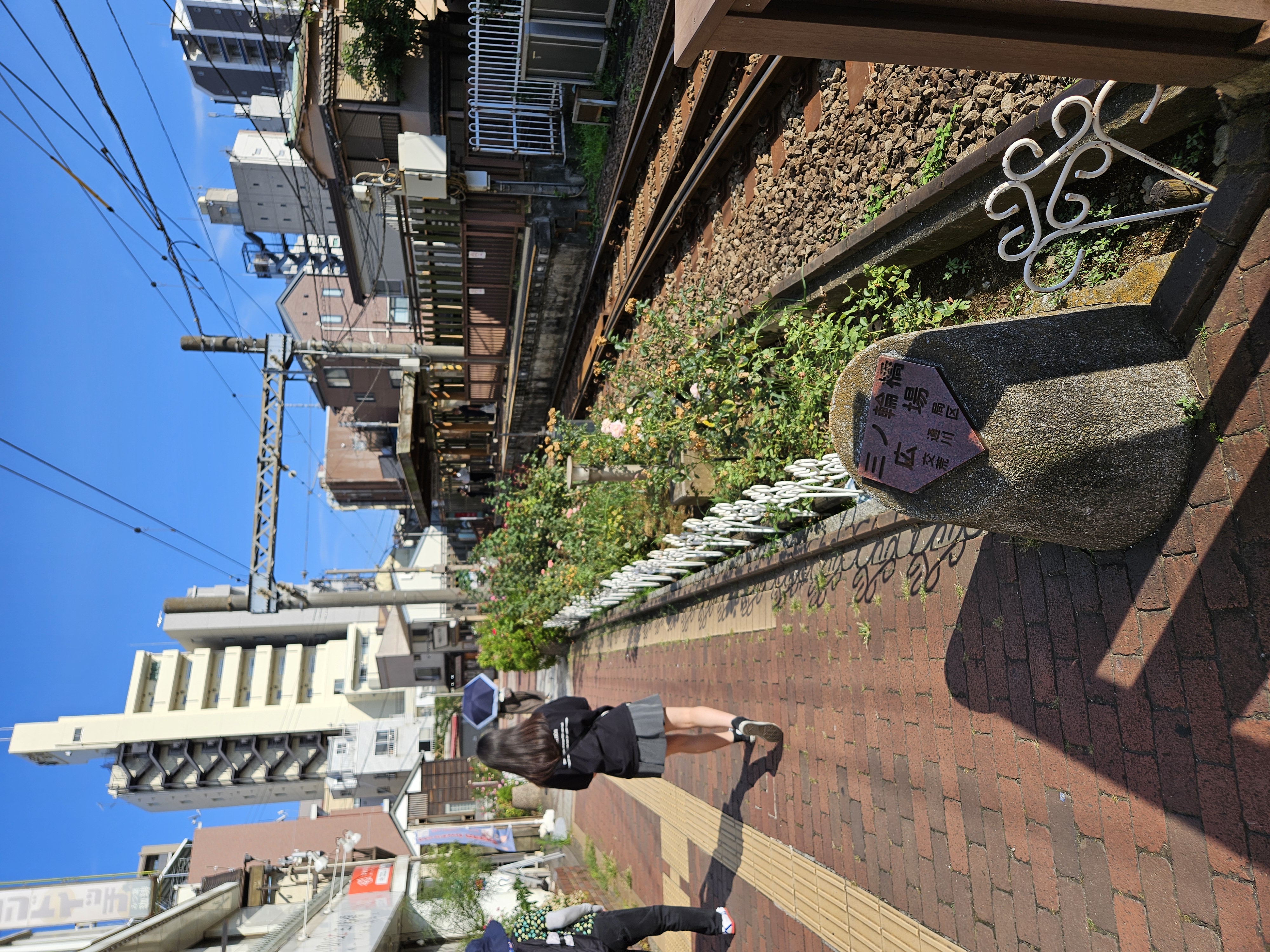
Being on Tokyo’s only remaining public tram line, this short yet lengthy journey made me ponder the city’s evolution. On one hand, great continuity exists: Tokyo remains the cultural and economic center of the nation, as it was before and after the devastating war that ended in 1945. The (in)famous Yamanote Line has served passengers for almost 140 years; Tokyo’s position as an epicenter of change in Japan has largely not been unchallenged since the Meiji Restoration. Yet, the city is as organic as any living being, constantly undergoing transformations. One might even say this constant process of change is part of its continuity. The tram, then, is a way in which these changes are remembered. When people board the Sakura tram, which may lack the efficiency and speed of the subway (as they are introduced to replace trams), they are also continuing the memorial of the city’s past. Therefore, I felt a profound, personal connection to riding this line.