Railroad as a Legacy
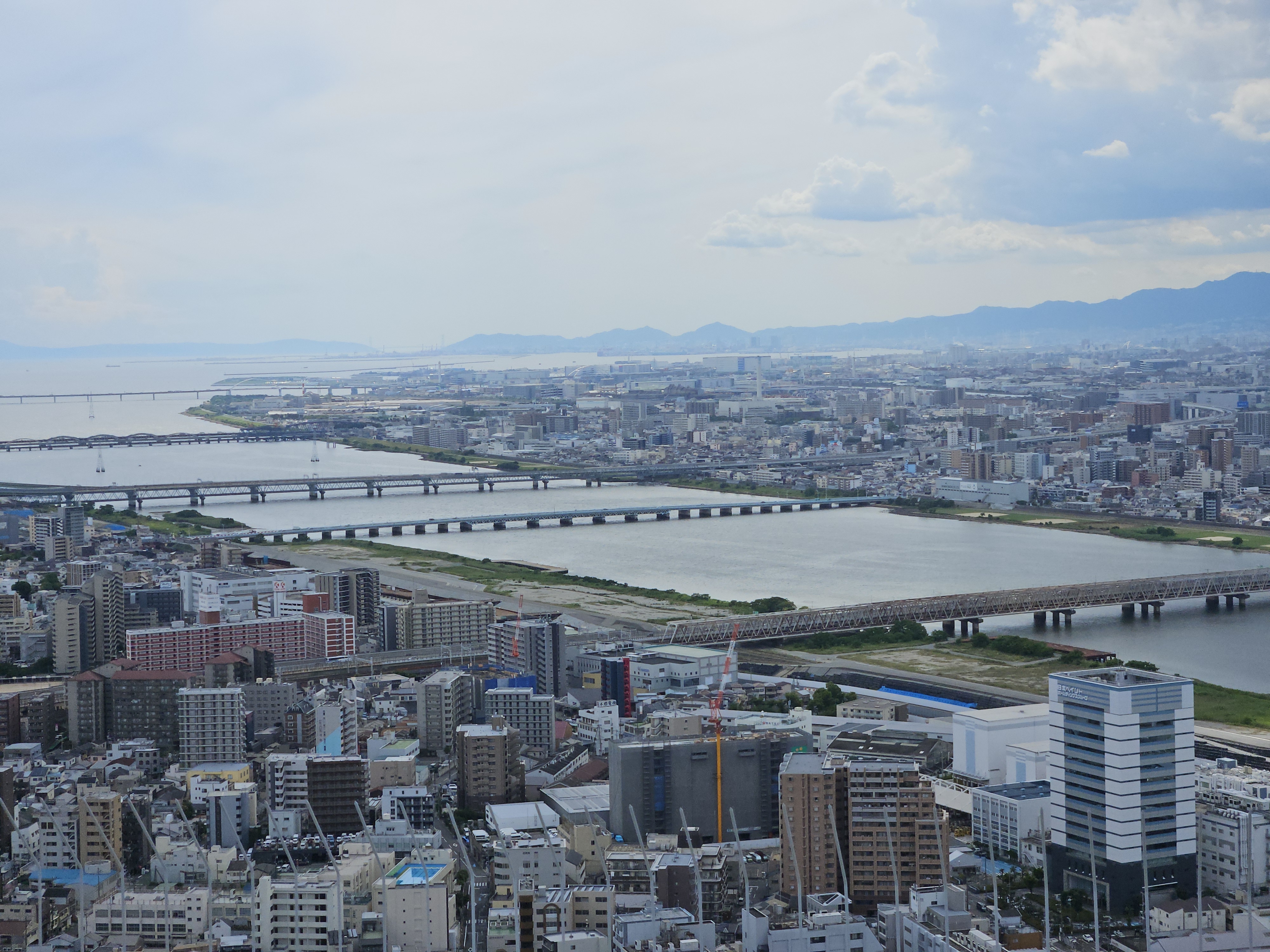
As a (semi-deprecated) history major, I’ve always been drawn to understanding the origins and evolution of things. Japanese railway history particularly resonates with this interest. For one thing, the modern metal boxes howling on the Yamanote Line, which are often talked about for their ability to operate at their 200% capacity, are not always like this. In the Edo Period, the Japanese rendition of “city” did not encompass the extensive railway networks now stretch across straits, through mountains, and beneath the ground. Osaka, for instance, relied on numerous public owned bridges for transportation. Osaka, for example, primarily relied on numerous publicly owned bridges for transportation. It wasn’t until Commodore Perry’s “gift”, more accurately, a demonstration of American power, of a miniature running steam locomotive that trains and railroads truly captured public attention. As the Japanese urban space grows and develops, urban railways, as a critical means of transportation, also undergo multiple rounds of significant transformation. In the long river of history, some of these changes have been preserved, while others have faded into obscurity. Over the last few weeks of the program, I had the opportunity to delve into the captivating world of railway museums and riding legacy train routes, to catch a glimpse of the past. As with everything else in this project, the intent of this exploration into railway history is to place one out of the conventional perspective and consider the evolution of Japanese railways—and by extension—urbanity in Japan.